

Learn Japanese kana, kanji, konbini
Hiragana, katakana, all 2,136 kanji and 114 real-life topics, from the ramen shop to the last train home. 784 lessons that play like a game.
- lessons
- 784
- kanji, all of them
- 2,136
- real-life topics
- 114

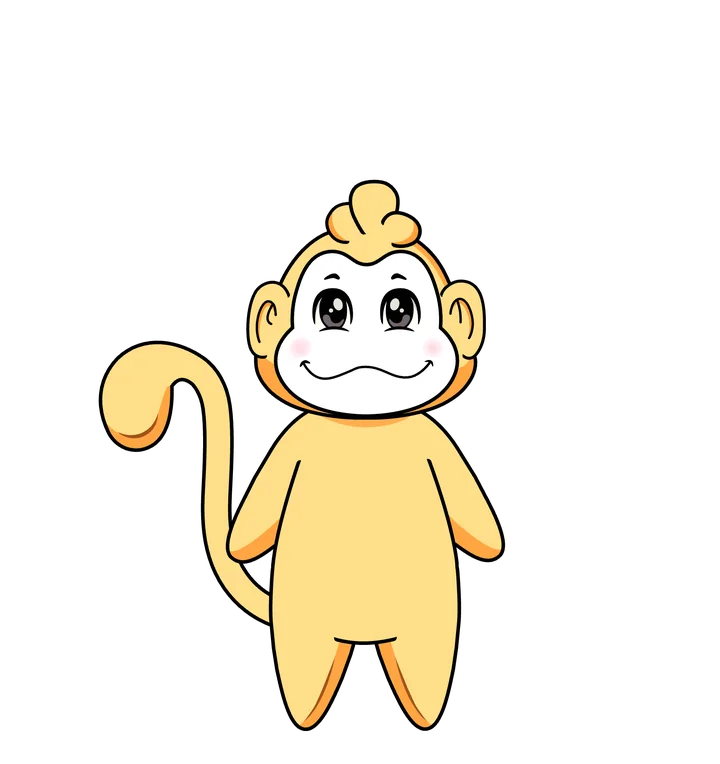
Luffy says hello: こんにちは!

The whole course
Your trail through Japan
137 units and 784 lessons, with a landmark at the end of every stage. Here's the whole course, stop by stop.
- Unit1
Hiragana
26 lessons
- Unit3
Kanji
269 lessons
- Unit45
Ramen Shop
4 lessons
- Unit137
Weddings
4 lessons
Hiragana
26 lessons · the curvy script for everyday words
- Vowels (a i u e o)
- K-row (ka ki ku ke ko)
- S-row (sa shi su se so)
- T-row (ta chi tsu te to)
- N-row (na ni nu ne no)
- H-row (ha hi fu he ho)
- M-row (ma mi mu me mo)
- Y-row (ya yu yo)
- R-row (ra ri ru re ro)
- W-row & ん (wa wo n)
- G-row (dakuten) (ga gi gu ge go)
- Z-row (dakuten) (za ji zu ze zo)
- D-row (dakuten) (da dji dzu de do)
- B-row (dakuten) (ba bi bu be bo)
- P-row (handakuten) (pa pi pu pe po)
- Yōon: KY (kya kyu kyo)
- Yōon: SH (sha shu sho)
- Yōon: CH (cha chu cho)
- Yōon: NY (nya nyu nyo)
- Yōon: HY (hya hyu hyo)
- Yōon: MY (mya myu myo)
- Yōon: RY (rya ryu ryo)
- Yōon: GY (gya gyu gyo)
- Yōon: J (ja ju jo)
- Yōon: BY (bya byu byo)
- Yōon: PY (pya pyu pyo)
Katakana
26 lessons · the sharp script for borrowed words and names
- Vowels (a i u e o)
- K-row (ka ki ku ke ko)
- S-row (sa shi su se so)
- T-row (ta chi tsu te to)
- N-row (na ni nu ne no)
- H-row (ha hi fu he ho)
- M-row (ma mi mu me mo)
- Y-row (ya yu yo)
- R-row (ra ri ru re ro)
- W-row & ん (wa wo n)
- G-row (dakuten) (ga gi gu ge go)
- Z-row (dakuten) (za ji zu ze zo)
- D-row (dakuten) (da dji dzu de do)
- B-row (dakuten) (ba bi bu be bo)
- P-row (handakuten) (pa pi pu pe po)
- Yōon: KY (kya kyu kyo)
- Yōon: SH (sha shu sho)
- Yōon: CH (cha chu cho)
- Yōon: NY (nya nyu nyo)
- Yōon: HY (hya hyu hyo)
- Yōon: MY (mya myu myo)
- Yōon: RY (rya ryu ryo)
- Yōon: GY (gya gyu gyo)
- Yōon: J (ja ju jo)
- Yōon: BY (bya byu byo)
- Yōon: PY (pya pyu pyo)
Kanji
21 levels · all 2,136, grades 1–6 + secondary
- Grade 110 lessons
- Grade 220 lessons
- Grade 325 lessons
- Grade 425 lessons
- Grade 524 lessons
- Grade 623 lessons
- Secondary 110 lessons
- Secondary 210 lessons
- Secondary 310 lessons
- Secondary 410 lessons
- Secondary 510 lessons
- Secondary 610 lessons
- Secondary 710 lessons
- Secondary 810 lessons
- Secondary 910 lessons
- Secondary 1010 lessons
- Secondary 1110 lessons
- Secondary 1210 lessons
- Secondary 1310 lessons
- Secondary 1410 lessons
- Secondary 152 lessons
Everyday Japanese
114 units · real-life scenes, level by level
- First Words & Greetings5 lessons
- Introducing Yourself4 lessons
- Asking for Help5 lessons
- Numbers & Counting4 lessons
- Money & Paying4 lessons
- Time & Dates5 lessons
- This & That4 lessons
- Small Questions Everywhere4 lessons
- Japanese Class4 lessons
- Family4 lessons
- Vending Machines & Kiosks4 lessons
- Café4 lessons
- 100-Yen Shop4 lessons
- Park4 lessons
- Friends4 lessons
- Birthdays & Gifts4 lessons
- Holidays (first look)4 lessons
- Fast Food4 lessons
- Convenience Store5 lessons
- Supermarket5 lessons
- Bakery & Sweets4 lessons
- Ramen Shop4 lessons
- Family Restaurant4 lessons
- Allergies & Preferences4 lessons
- Department Store5 lessons
- Clothing & Sizes4 lessons
- Bookstore & Stationery4 lessons
- Dry Cleaning & Laundry Services4 lessons
- Trains & Subway4 lessons
- Buses4 lessons
- Taxi4 lessons
- Walking Directions4 lessons
- Bicycle4 lessons
- Kitchen4 lessons
- Bathroom & Bath4 lessons
- Living Room & Bedroom4 lessons
- Laundry at Home4 lessons
- Library4 lessons
- Museums, Zoos & Aquariums4 lessons
- Game Center & Arcade4 lessons
- Movies4 lessons
- Karaoke4 lessons
- Swimming Pool & Beach Day4 lessons
- Spring4 lessons
- Summer4 lessons
- Autumn4 lessons
- Winter4 lessons
- Souvenirs & Omiyage4 lessons
- Sushi Restaurant4 lessons
- Izakaya4 lessons
- Food Delivery & Takeout4 lessons
- Electronics Store4 lessons
- Post Office4 lessons
- Bank & ATM4 lessons
- Hair Salon & Barber4 lessons
- Body & Feelings4 lessons
- Pharmacy4 lessons
- Clinic / Doctor4 lessons
- Airport4 lessons
- Shinkansen & Long Distance4 lessons
- Garage & Storage4 lessons
- Garbage & Recycling4 lessons
- Neighbors & the Building4 lessons
- Pets4 lessons
- School Clubs (部活)4 lessons
- Police & Kōban4 lessons
- Shrine & Temple4 lessons
- Singing & Music4 lessons
- Concerts & Festivals4 lessons
- Matsuri & Fireworks4 lessons
- Soccer Game4 lessons
- Baseball Game4 lessons
- Gym4 lessons
- Onsen & Sentō4 lessons
- Hiking & Mountains4 lessons
- Camping & River BBQ4 lessons
- Fishing4 lessons
- Rain & Storms4 lessons
- Hotels4 lessons
- Sightseeing4 lessons
- Phone & Messages4 lessons
- Visiting Someone's Home4 lessons
- New Year4 lessons
- Phone & SIM4 lessons
- Repairs4 lessons
- Dentist4 lessons
- Eye Doctor4 lessons
- Driving a Car4 lessons
- Ferries & Islands4 lessons
- Utilities & Bills4 lessons
- Home Trouble4 lessons
- Moving In4 lessons
- Elementary School4 lessons
- High School4 lessons
- University4 lessons
- Part-Time Job Hunt4 lessons
- Firefighters & Emergencies4 lessons
- Dance & Dance Club4 lessons
- Sumo & Traditional Sports4 lessons
- Ski Trip4 lessons
- Ocean & Water Sports4 lessons
- Earthquakes & Safety4 lessons
- Planning a Trip4 lessons
- Ryokan4 lessons
- Dating & Friends4 lessons
- Social Media4 lessons
- Hospital5 lessons
- Finding an Apartment4 lessons
- At the Office4 lessons
- Work Communication4 lessons
- City Hall / Local Government4 lessons
- Travel Trouble4 lessons
- Apologies & Complaints4 lessons
- Weddings4 lessons
Try it now
Play a lesson right now
No sign-up, no download. This mini-lesson uses real words from the course.
Your first three kana
あ, い and う. Hear them, flip them, match them.
A taste of the real course. Nothing here is saved.
What you'll be able to do
From the konbini to the onsen
Hiragana and katakana chart
Tap a kana, hear it
Japanese starts with 46 basic sounds. Tap any one to hear it, then flip the chart to meet its katakana twin.
| Vowels | a | i | u | e | o |
|---|---|---|---|---|---|
| Vowels | |||||
| K-row | |||||
| S-row | |||||
| T-row | |||||
| N-row | |||||
| H-row | |||||
| M-row | |||||
| Y-row | |||||
| R-row | |||||
| W-row & ん |
Hiragana
The curvy script for Japanese words and grammar endings.
Katakana
The sharp script for borrowed words, names and emphasis.
Kanji
Characters that carry meaning, like 日 (day, sun) and 人 (person).
- Read it your way: romaji, kana, kanji or mixed. Switch any time in course settings.
- Flip a flashcard and the character draws itself, stroke by stroke.
The game
Every lesson is a game
Combos, streaks, XP, sapphires, a weekly leaderboard, and a party when you nail it.
Stack combos: at ×5 your combo strikes gold.
Keep your streak: a lesson a day, and a streak freeze for the day you miss.
Earn XP, and more when you beat your best.
Score 90% or more for the perfect-lesson party.
Race the weekly leaderboard, reset every Monday.
Review what you've learned right before you'd forget it.
Get a sapphire for every XP and spend them in the Shop.

Your language
Learn Japanese from your language
The Japanese course is taught in 34 languages. Pick yours to read this page in it.
Questions
Japanese, questions answered
Should I learn hiragana or katakana first?
Hiragana. It writes Japanese words and grammar endings, so you'll see it in every sentence. The trail starts there: 26 hiragana lessons, then 26 katakana lessons, then kanji and the everyday units. You can open any lesson you like, but that order works.
How long does it take to learn hiragana?
The Hiragana unit is 26 short lessons: the five vowels first, then one row at a time, then the voiced and combined sounds. At one lesson a day that's under a month, and nothing stops you from doing two.
How many kanji does Miaru teach?
All 2,136 jōyō kanji, the standard set for everyday use in Japan. They come grade by grade, the way Japanese schools teach them: grades 1 to 6, then the secondary-school set, eight kanji per lesson. Each one has its meaning, its readings, audio and a flashcard that draws it stroke by stroke.
What's the difference between hiragana, katakana and kanji?
Hiragana writes Japanese words and grammar endings. Katakana writes words borrowed from other languages, plus names and emphasis. Kanji are characters that carry meaning, like 日 (day, sun) and 人 (person). Everyday Japanese mixes all three, and the course teaches all three.
Can I learn Japanese with romaji?
Yes, to start. In course settings you choose how Japanese is shown: romaji, kana, kanji or mixed. Begin with romaji and switch to kana once you can read it.
Will I learn to speak Japanese, or only to read it?
Both. The 114 everyday units are built around conversation: new words, real sentences, then scenes with Luffy, from ordering ramen to asking the way. Every word and sentence has audio in a female and a male voice, and you can slow it down.
How many lessons are in the Japanese course?
784 lessons in 137 units: 26 for hiragana, 26 for katakana, 21 kanji units with 269 lessons, and 114 everyday units with 463 lessons.
Is Japanese hard to learn?
It's different, not impossible. Japanese has just five vowel sounds, and the writing comes in steps: hiragana, then katakana, then kanji a few at a time. Miaru breaks it all into 784 short lessons, so there's always a small next step.
What will I be able to do in Japanese?
Handle real situations: greet people at any hour, shop at the konbini, order at a ramen shop or an izakaya, ride trains and the shinkansen, visit an onsen, see a doctor, even look for a part-time job. That's 114 everyday topics, each one a stop on your trail.
Can I learn Japanese from my own language?
Yes. The Japanese course is taught in 34 languages, from English, Español and Deutsch to 中文, 한국어, हिन्दी and Tiếng Việt. Set the app to your language and the course follows.
Your first kana is waiting
Start in your browser right now, or get the app and take Luffy with you.



Get the Miaru app
More worlds on the trail
- Explore Spanish
Spanish
114 units · 463 lessons
Everyday Latin American Spanish, from the tiendita to the taquería.
- Explore English
English
114 units · 463 lessons
Everyday American English, from the diner to the subway.
- Explore Chinese
Mandarin Chinese
126 units · 913 lessons
Standard Mandarin: 3,500 characters and 114 real-life topics.
- Explore Korean
Korean
115 units · 497 lessons
Hangul in 34 lessons, then 114 real-life topics.


