

Learn Spanish taco by taco
Everyday Latin American Spanish, from your first ¡hola! to the tiendita, the fonda and the metro. 463 lessons that play like a game.
- lessons
- 463
- real-life topics
- 114
- minutes a day, your pick
- 5–20

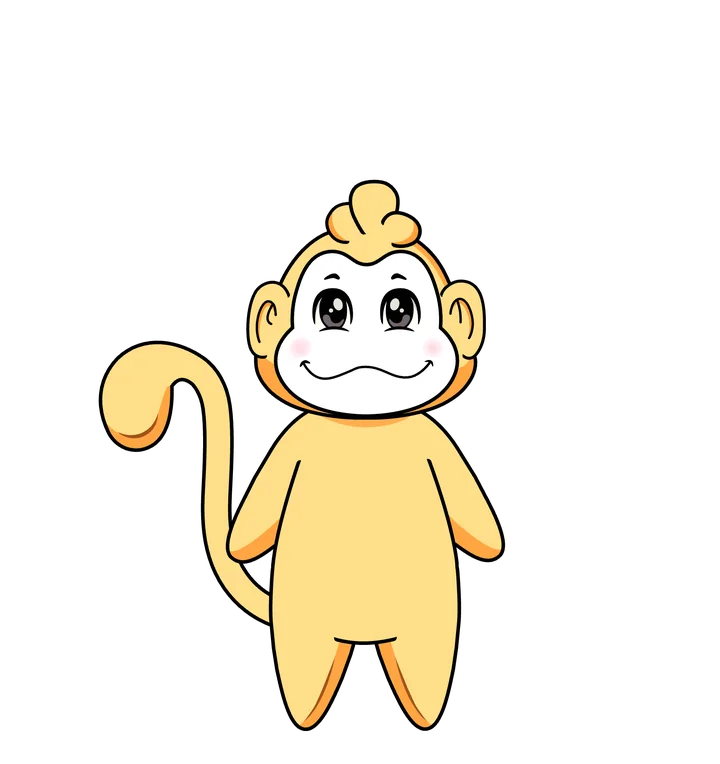
Luffy says hello: ¡Hola!

The whole course
Your trail through Mexico
114 units and 463 lessons, from your first ¡hola! all the way to a wedding. Here's the whole course, stop by stop.
- Unit1
First Words & Greetings
5 lessons
- Unit18
Fast Food
4 lessons
- Unit70
The Town Fair
4 lessons
- Unit114
Weddings
4 lessons
114 units · real-life scenes, level by level
- First Words & Greetings5 lessons
- Introducing Yourself4 lessons
- Asking for Help5 lessons
- Numbers & Counting4 lessons
- Money & Paying4 lessons
- Time & Dates5 lessons
- This & That4 lessons
- Small Questions Everywhere4 lessons
- Spanish Class4 lessons
- Family4 lessons
- Vending Machines4 lessons
- Café4 lessons
- The Peso Store4 lessons
- Park4 lessons
- Friends4 lessons
- Birthdays & Gifts4 lessons
- Holidays (first look)4 lessons
- Fast Food4 lessons
- The Corner Store5 lessons
- The Grocery Store5 lessons
- The Panadería4 lessons
- Pizza Place4 lessons
- The Fonda4 lessons
- Allergies & Dietary Needs4 lessons
- The Department Store5 lessons
- Clothing & Sizes4 lessons
- The Bookstore4 lessons
- Dry Cleaning & Laundry4 lessons
- The Metro4 lessons
- Buses4 lessons
- Taxi & Rideshare4 lessons
- Directions4 lessons
- Bikes & Bike Share4 lessons
- Kitchen4 lessons
- The Bathroom4 lessons
- Living Room & Bedroom4 lessons
- Laundry at Home4 lessons
- The Library4 lessons
- The Museum4 lessons
- The Arcade4 lessons
- Movies4 lessons
- Karaoke4 lessons
- Pool & Beach Day4 lessons
- Spring4 lessons
- Summer4 lessons
- Fall4 lessons
- Winter4 lessons
- Souvenirs & Gifts4 lessons
- The Marisquería4 lessons
- The Cantina4 lessons
- Deliveries4 lessons
- The Electronics Store4 lessons
- The Post Office4 lessons
- Bank & ATM4 lessons
- Salon & Barbershop4 lessons
- Aches & Feeling Sick4 lessons
- Pharmacy4 lessons
- Doctor's Office & Clinic4 lessons
- The Airport4 lessons
- Long-Distance Buses4 lessons
- The Auto Shop4 lessons
- Garbage & Recycling4 lessons
- Neighbors4 lessons
- Pets4 lessons
- After-School Club4 lessons
- Police & Emergency Help4 lessons
- Church & Community4 lessons
- Singing & Music4 lessons
- Concerts4 lessons
- The Town Fair4 lessons
- Soccer4 lessons
- Baseball Game4 lessons
- Gym & Fitness4 lessons
- Hot Springs & Spa4 lessons
- Hiking & National Parks4 lessons
- Camping4 lessons
- Fishing4 lessons
- Rain & Storms4 lessons
- Hotels4 lessons
- Sightseeing4 lessons
- Phone Calls4 lessons
- Visiting Someone's Home4 lessons
- New Year's4 lessons
- Phone Plan4 lessons
- Home Repairs4 lessons
- The Dentist4 lessons
- Eye Doctor & Optical Shop4 lessons
- Driving a Car4 lessons
- Ferries & Islands4 lessons
- Utilities & Bills4 lessons
- Home Trouble4 lessons
- Moving In4 lessons
- Primary School4 lessons
- High School4 lessons
- University4 lessons
- The Job Hunt4 lessons
- Firefighters & Fire Safety4 lessons
- Dance & Movement4 lessons
- Martial Arts & Lucha Libre4 lessons
- Ski Trip4 lessons
- Ocean & Water Sports4 lessons
- Emergency Preparedness4 lessons
- Planning a Trip4 lessons
- A Family-Run Posada4 lessons
- Dating4 lessons
- Social Media4 lessons
- The Hospital5 lessons
- Finding an Apartment4 lessons
- At the Office4 lessons
- Work Communication4 lessons
- The Government Office4 lessons
- Travel Trouble4 lessons
- Apologies & Complaints4 lessons
- Weddings4 lessons
Try it now
Play a lesson right now
No sign-up, no download. This mini-lesson uses real words from the course.
Say hello like a local
Hola, buenos días, buenas tardes and buenas noches.
A taste of the real course. Nothing here is saved.
What you'll be able to do
From the tiendita to the lucha libre
Say it like it's spelled
Tiny marks, big meaning
Spanish is spelled the way it sounds, with a few marks that matter. Tap any word to hear it.
ñ is its own letter
It has its own sound. Hear it in mañana, piñata and baño.
One mark, a new word
An accent can change the meaning. El papá is dad. Las papas are chips.
Questions start upside down
Spanish opens questions with ¿ and exclamations with ¡, so you know the tone before the sentence starts.
The game
Every lesson is a game
Combos, streaks, XP, sapphires, a weekly leaderboard, and a party when you nail it.
Stack combos: at ×5 your combo strikes gold.
Keep your streak: a lesson a day, and a streak freeze for the day you miss.
Earn XP, and more when you beat your best.
Score 90% or more for the perfect-lesson party.
Race the weekly leaderboard, reset every Monday.
Review what you've learned right before you'd forget it.
Get a sapphire for every XP and spend them in the Shop.





Your language
Learn Spanish from your language
The Spanish course is taught in 34 languages. Pick yours to read this page in it.
Questions
Spanish, questions answered
Which Spanish does Miaru teach?
Everyday Latin American Spanish, with neutral words that travel well, like carro, computadora and celular. The scenes lean Mexican (the tiendita, the fonda, the panadería), so you also learn what people really say there.
Do I need to learn vosotros?
Not with Miaru. The course uses ustedes for “you all”, the way Latin America does, so there's one less verb form to learn. People in Spain will understand you too.
When do I use tú, and when usted?
Tú is the everyday default in the course. Usted comes in where you'd really use it: at the clinic, at the government office, with the police and at work.
How do you say hello in Spanish?
¡Hola! After that it depends on the clock: buenos días in the morning, buenas tardes in the afternoon, buenas noches in the evening. It's the very first lesson of the course.
How many lessons are in the Spanish course?
463 lessons in 114 units, from your first greeting to a wedding. Every unit is a real-life topic: money, the metro, the grocery store, the doctor, the job hunt.
Is Spanish easy to learn?
It's a friendly first language: Spanish is spelled the way it sounds, so once you know the letters you can read words out loud. Miaru starts at zero, with ¡hola!
Does Miaru teach Spanish grammar?
Yes, in small doses. A short note explains a pattern right when a scene needs it, and then the practice has you use it.
Can I hear how words are pronounced?
Every word and sentence has audio in a female and a male voice. Tap to hear it again, and slow it down in course settings.
What do ñ, the accents and ¿ ¡ mean?
Ñ is its own letter, as in mañana and piñata. Accents mark the stressed syllable and can change the meaning: el papá is dad, las papas are chips. And Spanish opens questions and exclamations with ¿ and ¡, so you know the tone before the sentence starts.
Can I learn Spanish from my own language?
Yes. The Spanish course is taught in 34 languages, from English, Deutsch and Français to 日本語, 中文, 한국어 and हिन्दी. Set the app to your language and the course follows.
Your first ¡hola! is waiting
Start in your browser right now, or get the app and take Luffy with you.


Get the Miaru app
More worlds on the trail
- Explore Japanese
Japanese
137 units · 784 lessons
Hiragana, katakana, all 2,136 kanji and 114 real-life topics.
- Explore English
English
114 units · 463 lessons
Everyday American English, from the diner to the subway.
- Explore Chinese
Mandarin Chinese
126 units · 913 lessons
Standard Mandarin: 3,500 characters and 114 real-life topics.
- Explore Korean
Korean
115 units · 497 lessons
Hangul in 34 lessons, then 114 real-life topics.


